The best backsplash for a kitchen: ceramic subway tile, porcelain, glass, natural stone, stainless steel and quartz slab compared by cost, durability and care.
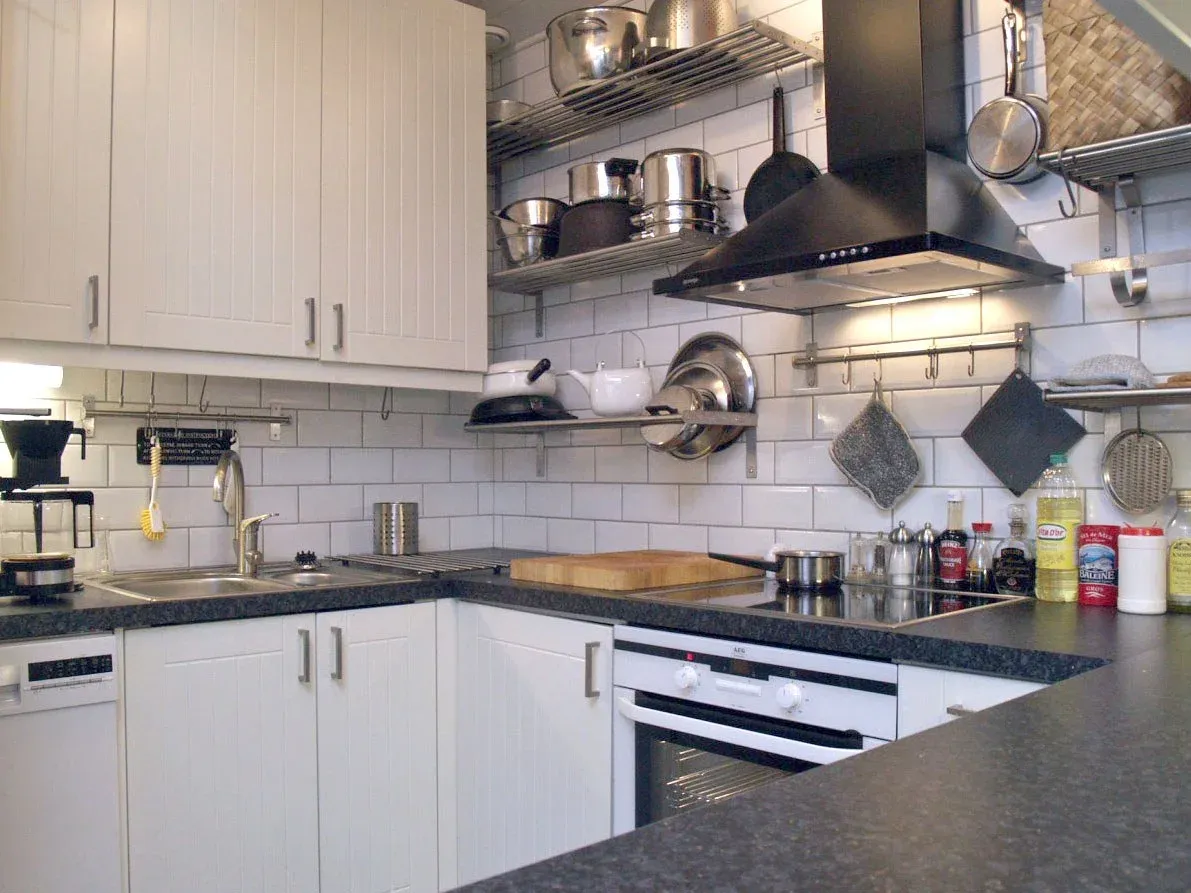
Glazed ceramic tiles in a long rectangular shape, laid in a brick pattern and grouted. HomeAdvisor calls ceramic one of the most popular and affordable backsplash materials and notes that ceramic is lighter and easier to cut than porcelain, which makes it a solid pick for walls. The grout between the tiles is the part that needs attention.
Advantages
Among the most affordable tile backsplashes (HomeAdvisor)
Easy to cut and install; square and rectangular tiles keep labor costs down (HomeAdvisor)
Drawbacks
Cement grout is porous and needs a sealer to resist stains (Custom Building Products)
Many grout lines to clean; HomeAdvisor says small tiles need more regular tile and grout cleaning
Best forBusy kitchens that want a tougher tile or a stone look without stone upkeep
A denser kind of ceramic tile: industry standards define porcelain as tile that absorbs 0.5% water or less. HomeAdvisor calls it a popular backsplash because it is water-resistant and more durable than ceramic, and it comes in many looks, including stone and marble effects. It costs about the same as ceramic to install.
Advantages
Water-resistant and more durable than ceramic (HomeAdvisor)
Absorbs 0.5% water or less when it meets the porcelain standard (TCNA)
Drawbacks
Heavier and harder to cut than ceramic (HomeAdvisor)
Not every tile sold as porcelain meets the standard; look for PTCA certification (TCNA)
Best forAdding shine and color to a small backsplash area
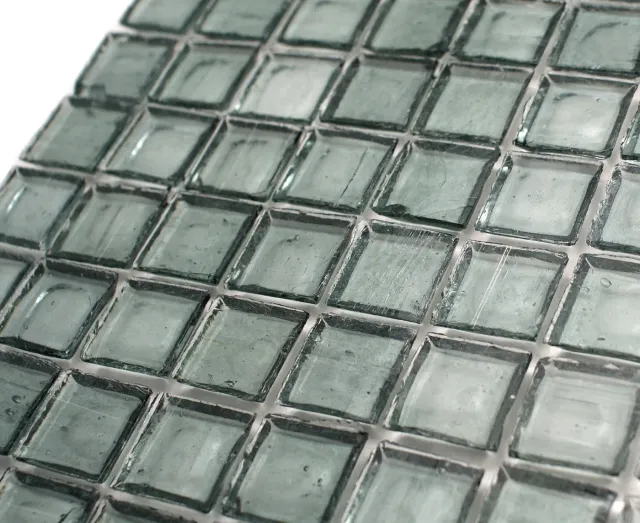
Small glass tiles, often sold as mesh-backed mosaic sheets, or larger glass subway tiles. Tile supplier MSI says glass is highly resistant to staining, stands up to moisture, humidity and temperature changes, and gives a shiny, easy-to-clean finish. HomeAdvisor notes that glass mosaics cost more than ceramic.
Advantages
Highly resistant to staining (MSI)
Sparkling, easy-to-clean finish (MSI)
Drawbacks
Costs more than ceramic or vinyl tile (HomeAdvisor)
Scratches easily: MSI recommends unsanded grout and no abrasive cleaners
Best forA one-of-a-kind look, or matching a stone countertop
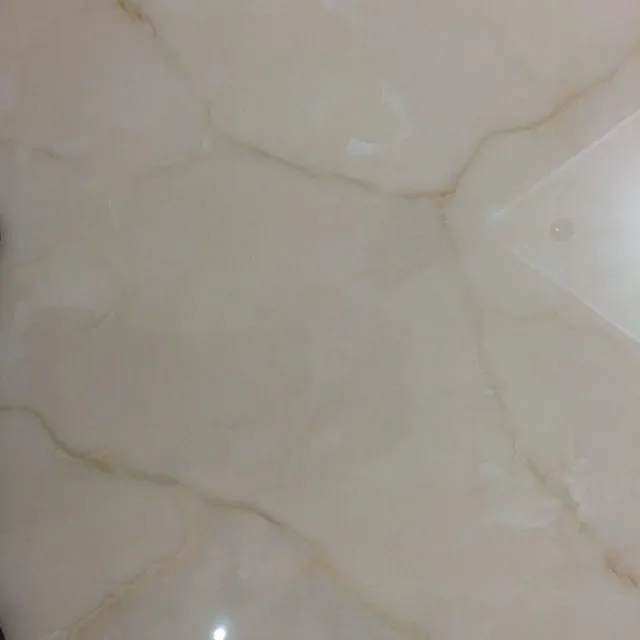
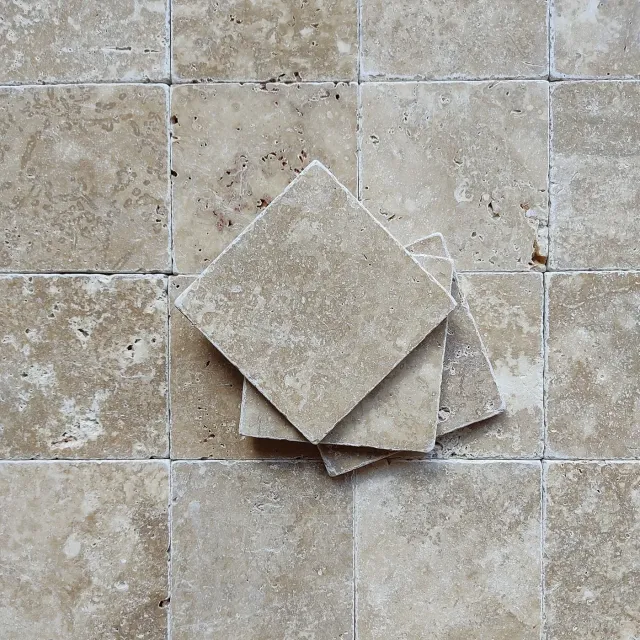
Marble, travertine, slate, granite or soapstone, either as tiles or as a full slab. The Natural Stone Institute says any stone that works on a countertop also works as a backsplash and that most natural stones resist heat. Most stone needs sealing, and acidic cleaners such as vinegar etch marble, travertine and limestone.
Advantages
Every piece is unique, and you can run the countertop stone up the wall (NSI)
Most natural stones are heat resistant (NSI)
Drawbacks
Natural stone tile needs a sealant, and some stones need resealing once or twice a year (HomeAdvisor)
Vinegar and other acids etch marble, travertine and limestone (NSI)
Best forBehind a heavily used range or in a modern, pro-style kitchen
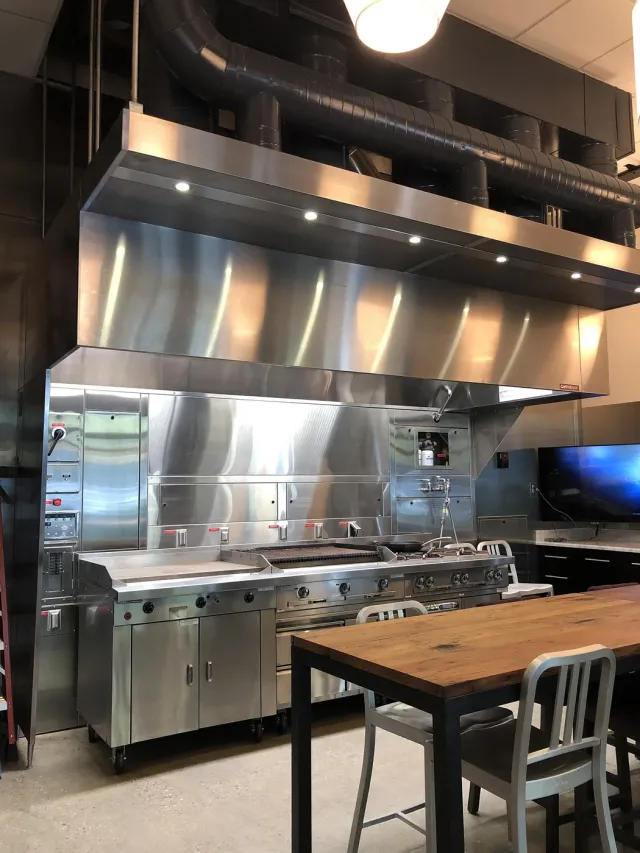
Stainless steel sheets or tiles, or decorative tin panels. HomeAdvisor says stainless is popular in outdoor and commercial kitchens because it is durable and resists corrosion, and it comes in both sheet and tile form. It shows fingerprints and can scratch, so cleaning technique matters.
Advantages
Durable and corrosion-resistant (HomeAdvisor)
Available as one-piece sheets, so there are no grout lines behind the range (HomeAdvisor)
Drawbacks
Shows fingerprints and smears that need a stainless cleaner or microfiber cloth (Glastender)
Steel wool, abrasive pads and gritty cleaners scratch it (Glastender)
Best forA seamless, low-maintenance look that matches a quartz countertop
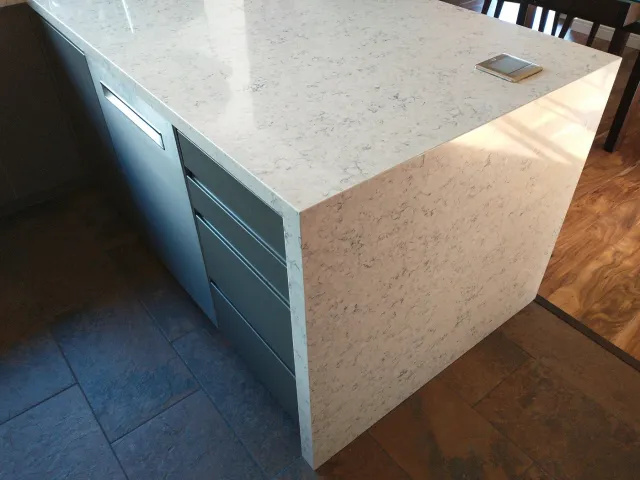
Engineered quartz cut as a slab, often matching the countertop and running up to the cabinets or ceiling. Cambria says quartz backsplashes are nonabsorbent and stain-resistant, have no grout lines and never need sealing, and it makes thin 1 cm slabs for walls. It is one of the pricier options and should be kept away from sudden, intense heat.
Advantages
No grout lines to scrub; nonabsorbent and stain-resistant (Cambria)
Never needs sealing (Cambria, Caesarstone)
Drawbacks
Sudden or prolonged heat can damage it, and makers tell you to keep hot cookware off it (Cambria, Caesarstone)
Usually installed by a fabricator or design professional, not a DIY job (Cambria)
For most kitchens, ceramic subway tile is the best backsplash: HomeAdvisor lists ceramic among the most popular and affordable backsplash materials (about $12 to $32 per sq ft installed), and simple rectangular tiles are the easiest to install. Choose porcelain for a denser, more water-resistant tile, a quartz slab for a grout-free surface that never needs sealing, glass for a glossy, stain-resistant look, stainless steel behind a hard-working range, natural stone if you will keep up with sealing, and peel-and-stick tiles for renters or a quick update.
How we compared
We compared seven common backsplash materials on cost, ease of cleaning, resistance to water, stains and heat, upkeep and how easy they are to install. Our sources were HomeAdvisor’s 2026 backsplash and tile cost guides, the Tile Council of North America, the Natural Stone Institute, and manufacturer documents from Custom Building Products, MSI, Smart Tiles, Glastender, Cambria and Caesarstone. Costs are national averages that include installation unless noted and vary by region, wall condition and tile pattern. We did not install or test these backsplashes ourselves.
Common backsplash mistakes
Forgetting the grout. Cement grout is porous; seal it, or the lines will stain long before the tile does (Custom Building Products).
Ignoring heat behind the range. Peel-and-stick tiles need a gap from open flames (Smart Tiles), quartz can be damaged by sudden heat (Cambria), and the Natural Stone Institute advises checking the vendor’s heat requirements for anything near the stove.
Cleaning stone with vinegar. Acidic cleaners etch marble, travertine and limestone; use a pH-neutral stone cleaner (Natural Stone Institute).
Tiling over the old backsplash. HomeAdvisor says pros recommend removing it first, because layering leaves gaps where moisture collects and weakens the new adhesive bond.
Under-ordering tile. Measure height times width, subtract only large openings such as windows, and add 10% for waste (HomeAdvisor).
HomeAdvisor puts professional backsplash installation at $480 to $1,500, about $1,000 on average, or $15 to $40 per square foot for most projects. Labor alone runs about $5 to $20 per square foot, and removing an old backsplash adds $3 to $6 per square foot. Mosaic and herringbone patterns cost more because they take longer to cut and set.
What is the easiest backsplash to keep clean?
A slab with no grout lines, such as quartz or a stainless steel sheet. HomeAdvisor notes that slabs need less maintenance, while smaller tiles need more regular tile and grout cleaning. Cambria says its quartz backsplashes never need sealing and clean up with warm water and mild soap.
Can you put a peel-and-stick backsplash behind a stove?
Yes, with limits. Smart Tiles says its tiles resist heat but must not touch a heat source or open flame. If the stove has no rear control panel or metal plate, it calls for an 8-inch tile-free zone behind it, recommends its stainless Smart Panel near gas flames and steam, and asks for a 2-inch gap from toaster ovens. Check your product's instructions, because an older Smart Tiles sheet gave 15 inches for gas ranges.
Do you need to seal a kitchen backsplash?
It depends on the material. Cement-based grout is porous, so Custom Building Products recommends a grout sealer for ceramic and porcelain tile, and HomeAdvisor says natural stone tile needs a sealant too. Quartz never needs sealing (Cambria), and glass tile itself is highly stain-resistant (MSI).
What is the best tile for a kitchen backsplash?
For most kitchens, ceramic tile: HomeAdvisor lists it among the most popular and affordable backsplash materials, and it is lighter and easier to cut than porcelain. Porcelain is the tougher choice, since it is denser and more water-resistant. Glass tile is highly stain-resistant and easy to clean, but it costs more than ceramic and scratches easily.
What is the best subway tile for a kitchen backsplash?
Glazed ceramic subway tile is the best all-round pick. The simple rectangular shape is easy to cut and install, which keeps labor costs down. The grout between the tiles needs attention: cement grout is porous, so seal it, and expect more cleaning when the tiles are small and the grout lines are many.
What is the best material for a kitchen backsplash?
It depends on what you want. Ceramic subway tile suits most kitchens and budgets, porcelain is denser and more water-resistant, and a quartz slab is grout-free and never needs sealing. Glass gives a glossy, stain-resistant look, stainless steel works behind a hard-working range, and natural stone suits you if you will keep up with sealing.