The best kitchen sink material depends on how you cook and clean: stainless steel, granite composite, fireclay, cast iron, solid surface and copper compared by cost, durability and care.
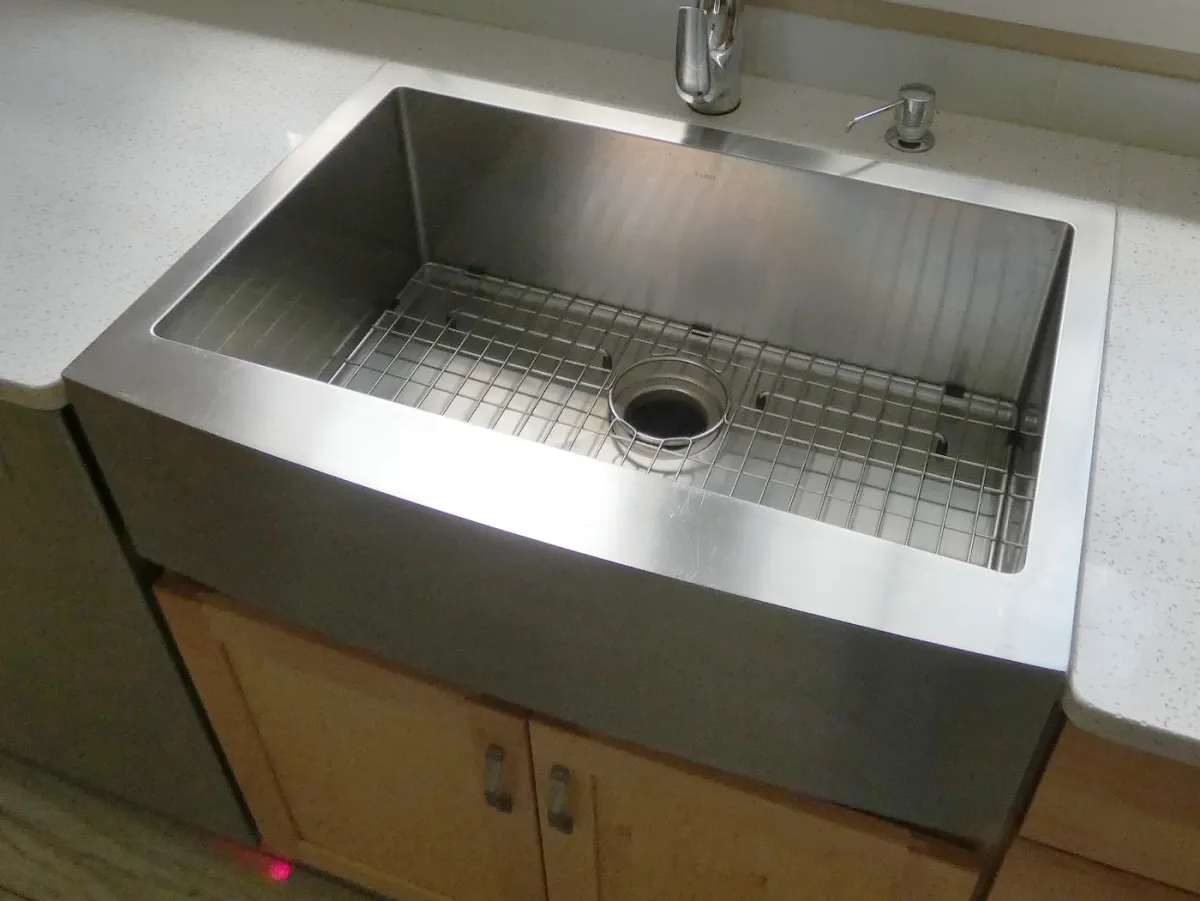
Stainless is the default kitchen sink in the US and comes in drop-in, undermount and apron-front styles. Look at the gauge: it describes the steel's thickness, and a lower number means thicker steel (16 is thicker than 18). Elkay builds its Lustertone Classic sinks from 18-gauge, Type 304 stainless and adds sound-deadening pads.
Advantages
Lowest installed price range of the common materials in HomeAdvisor's guide ($200–$1,500)
Elkay says light everyday scratches blend into the grain over time and deeper ones can be repaired with a restoration kit
Drawbacks
Shows water spots and can scratch (HomeAdvisor)
Thinner, higher-gauge steel is louder and less sturdy; World Coppersmith notes a 16-gauge sink muffles dropped dishes better than an 18- or 22-gauge one
Best forA matte stone look in a color, at a mid-range price
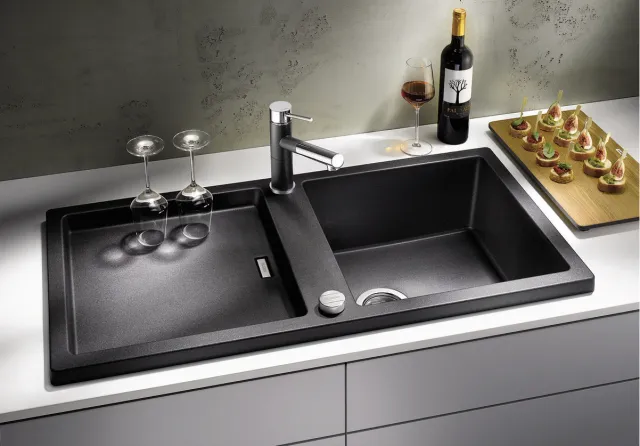
Granite composite blends crushed stone with resin. Blanco's SILGRANIT, the best-known version, is 80% granite and colored all the way through, so a scratch doesn't reveal a different color underneath. Unlike solid granite, composite doesn't need sealing (HomeAdvisor).
Advantages
HomeAdvisor calls composite durable and chip-resistant
Dyed through the material, so Blanco says small marks and staining foods don't change the color
Drawbacks
Scratches can show on darker colors (HomeAdvisor), and limescale stands out on dark sinks (Blanco)
Pots can leave gray metal marks on light colors; Blanco also rules out drain cleaners, chlorine cleaners, solvents and abrasive cleaners
Best forFarmhouse sinks with a glossy, classic look
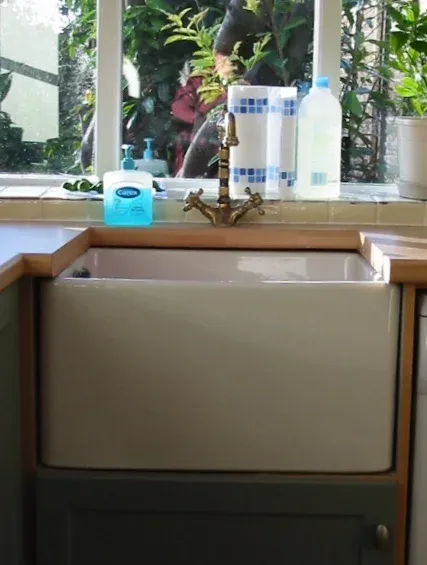
Fireclay is clay fired at very high temperature and coated with a glaze, usually in a deep, white apron-front farmhouse shape. Shaws, which has made fireclay sinks since 1897, says the material resists chips, scratches and stains better than other materials. HomeAdvisor describes it as durable, extremely heat-proof and easy to maintain.
Advantages
Glazed surface resists chips, scratches and stains, according to Shaws
Heat-proof and low-maintenance (HomeAdvisor); Shaws says daily cleaning with mild abrasives won't harm it
Drawbacks
Among the pricier options: $600–$1,400 installed (HomeAdvisor)
It can still chip; Shaws says no colored sink is impervious to damage and offers color-matched repair kits through dealers
Best forBuyers who want color choices and a sink built for decades
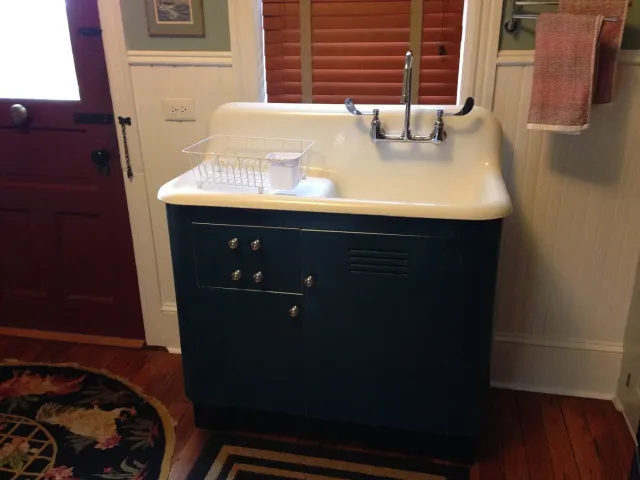
Enameled cast iron is an iron casting with a fused porcelain-enamel surface. It's the classic heavy American sink. Kohler gives its enameled cast iron kitchen sinks a lifetime limited warranty against chipping, cracking or burning in normal home use for as long as the original buyer owns the home. The trade-off is weight.
Advantages
Long-lasting and easy to clean, with a smooth porcelain-enamel finish (HomeAdvisor)
Kohler's lifetime limited warranty covers chips, cracks and burns in normal residential use
Drawbacks
Extremely heavy, and HomeAdvisor says it is prone to chipping
Kohler's warranty excludes gloss loss, scratches, staining and alkaline etching from everyday wear, and improper care voids it
Best forSeamless integrated counters and easy wipe-down
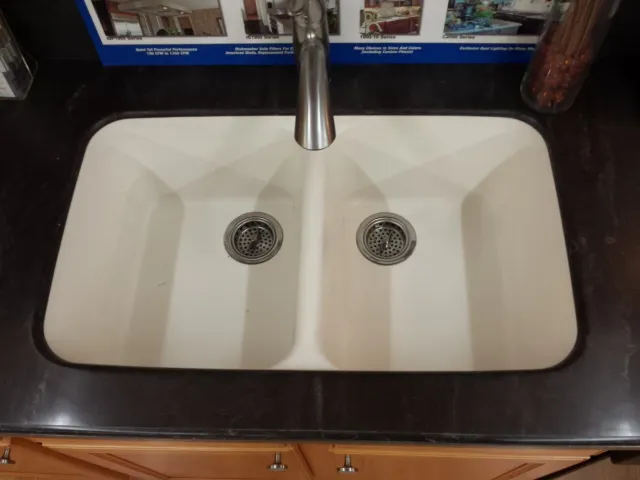
Solid surface sinks are made from the same acrylic-based material as solid surface counters (Corian is the best-known brand), so the sink can be joined seamlessly to the countertop. Corian says the nonporous surface resists stains and mold, and because the material is the same all the way through, scratches and many kinds of damage can be sanded or repaired.
Advantages
No rim or seam between sink and counter to trap dirt (Corian)
Renewable: light scratches can be sanded out at home, and most heavier damage can be repaired on site
Drawbacks
Not for hot cookware: Corian says to never set hot pans, especially cast iron, directly in the sink
Dark colors show scratches and wear more readily, and boiling water from instant-hot taps should go into a container
Best forStatement farmhouse or bar sinks where patina is part of the look
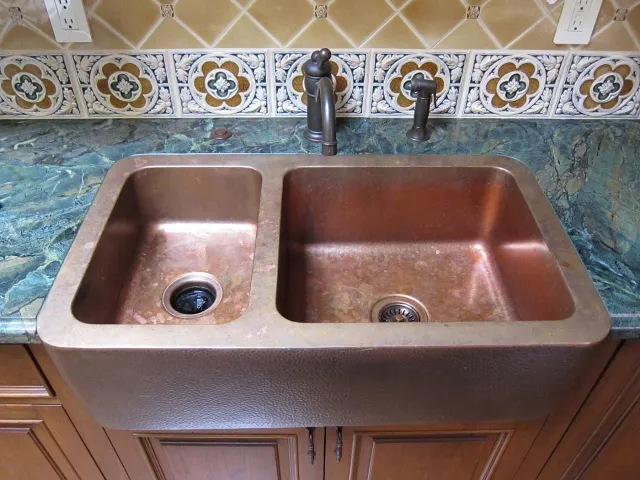
Copper sinks have a 'living finish' that darkens and develops a patina as it reacts with air and water. Signature Hardware notes the patina helps hide scratches and stains over time. You either enjoy the changing color or wax the surface to slow it down.
Advantages
Patina develops naturally and helps hide minor scratches and stains (Signature Hardware)
Everyday cleaning needs only gentle soap and warm water
Drawbacks
Widest price range, up to $4,000 installed (HomeAdvisor)
Acidic cleaners such as lemon juice and vinegar strip applied finishes, and the color changes over time
For most kitchens, stainless steel is the best kitchen sink material: it is the least expensive to put in, handles heavy pots, and light scratches blend into the finish over time. Choose granite composite if you want a stone look in a color, fireclay or enameled cast iron for a glossy farmhouse sink that will last decades, solid surface for a seamless integrated counter, and copper only if you like a finish that keeps changing.
How we compared
We compared six common kitchen sink materials using manufacturer care guides and warranties (Elkay, Blanco, Kohler, Shaws, Corian, Signature Hardware and World Coppersmith) and installed-cost ranges from HomeAdvisor’s 2026 sink installation guide. We looked at how each material handles scratches, chips, heat and stains, how much care it needs, and what it costs to put in. Prices are national ranges that include installation and vary by region and model. We did not test these sinks hands-on.
Common mistakes when choosing a sink
Comparing price without checking gauge. A cheap stainless sink is often thinner steel. Lower gauge numbers are thicker and quieter.
Using the wrong cleaner. Blanco warns against drain cleaners, chlorine cleaners and abrasives on SILGRANIT, and acidic cleaners strip applied finishes from copper (Signature Hardware).
Setting hot pans in a solid surface sink. Corian says to use a trivet or sink mat for hot cookware.
Forgetting the weight. HomeAdvisor calls cast iron sinks extremely heavy, so plan for a two-person install and ask your installer about support.
Expecting copper to stay shiny. Its living finish darkens over time unless you wax it.
It depends on the kind of damage you worry about. Stainless steel can't chip or crack, and Elkay says its scratches blend in over time. Kohler backs enameled cast iron with a lifetime limited warranty against chips, cracks and burns, and Shaws says fireclay resists chips, scratches and stains better than other materials.
Is 16-gauge or 18-gauge stainless steel better for a sink?
A lower gauge number means thicker steel, so a 16-gauge sink is sturdier and absorbs more noise than an 18-gauge one (World Coppersmith). Good 18-gauge sinks are still common: Elkay uses 18-gauge Type 304 stainless with sound-deadening pads in its Lustertone Classic line.
Do granite composite sinks stain or need sealing?
Granite composite doesn't need sealing. HomeAdvisor notes that only pure granite does. Blanco says its SILGRANIT is colorfast and that what looks like a stain is usually a limescale buildup, which you can remove with a mild acid cleaner such as vinegar. Avoid drain cleaners, chlorine cleaners and abrasive cleaners.
How much does it cost to install a new kitchen sink?
HomeAdvisor puts the average for installing a new kitchen sink at about $400, with high-end jobs reaching $4,000 depending on style, fixtures and labor. The material makes the biggest difference, from $200–$1,500 installed for stainless to $400–$4,000 for copper. Removing an old sink adds $40–$600.
What is the best material for a kitchen sink?
For most kitchens, stainless steel. It has the lowest installed price range of the common materials in HomeAdvisor's guide, it handles heavy pots, and light scratches blend into the finish over time. Granite composite suits a stone look in a color, fireclay or enameled cast iron suit a glossy farmhouse sink, and solid surface suits a seamless integrated counter.
What is the best white kitchen sink material?
Fireclay is the classic choice: it is usually made as a deep, white apron-front farmhouse sink, and Shaws says its glazed surface resists chips, scratches and stains. Enameled cast iron has a smooth porcelain-enamel finish and comes in color choices, and solid surface can be joined seamlessly to the counter. Light granite composite can show gray metal marks from pots, according to Blanco.